Multi-rotor UAVs — Ships Worldwide from Hong Kong
Multi-rotor UAV platforms for close-range work — inspection hovering, aerial delivery and small-area mapping where a fixed wing is impractical.
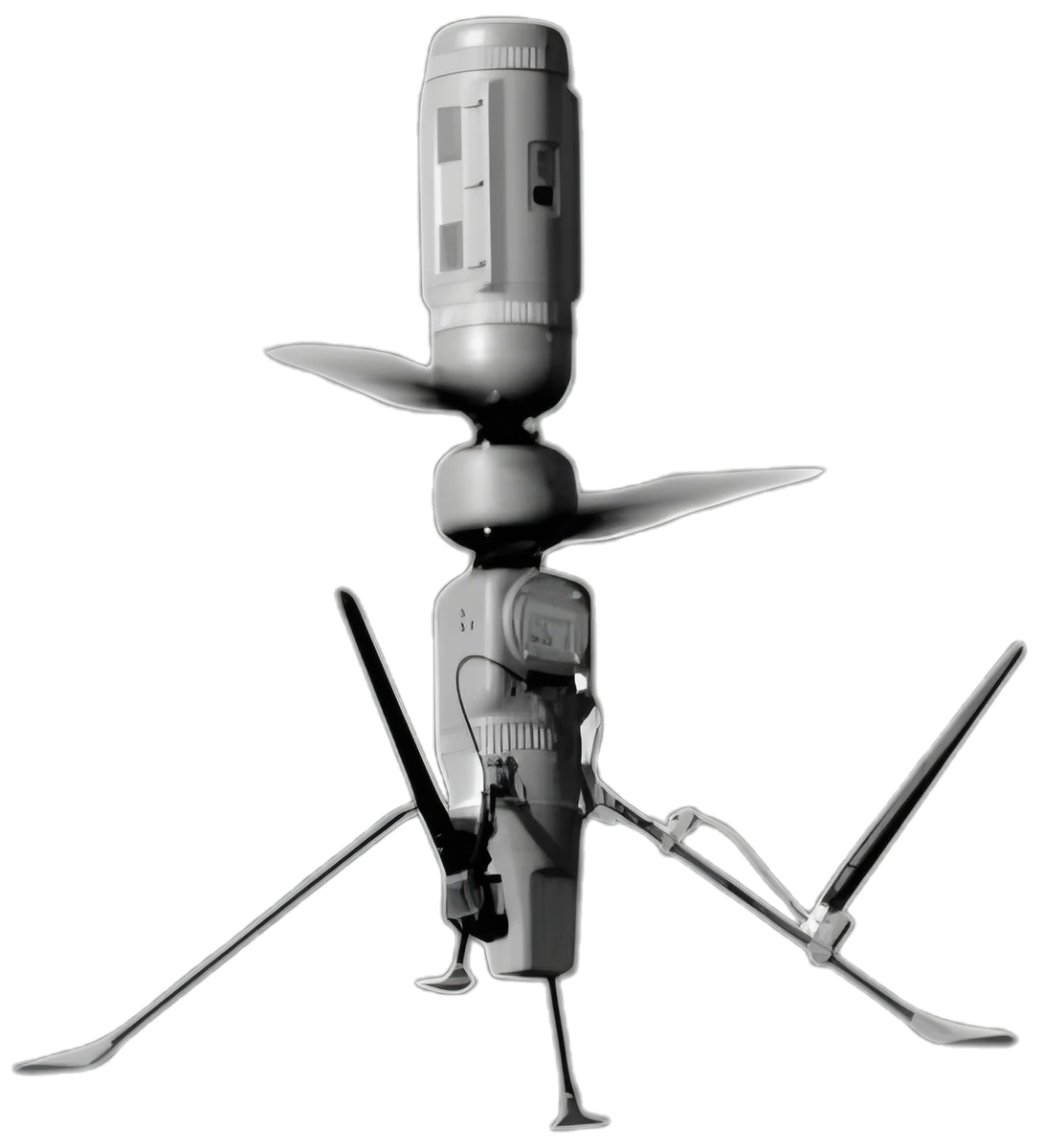
AT-ELF Portable Multi-rotor Drone
Cylindrical, direct-drive multi-rotor drone with a 1:1 payload ratio and very low acoustic signature — rotor speed is only 30-50%
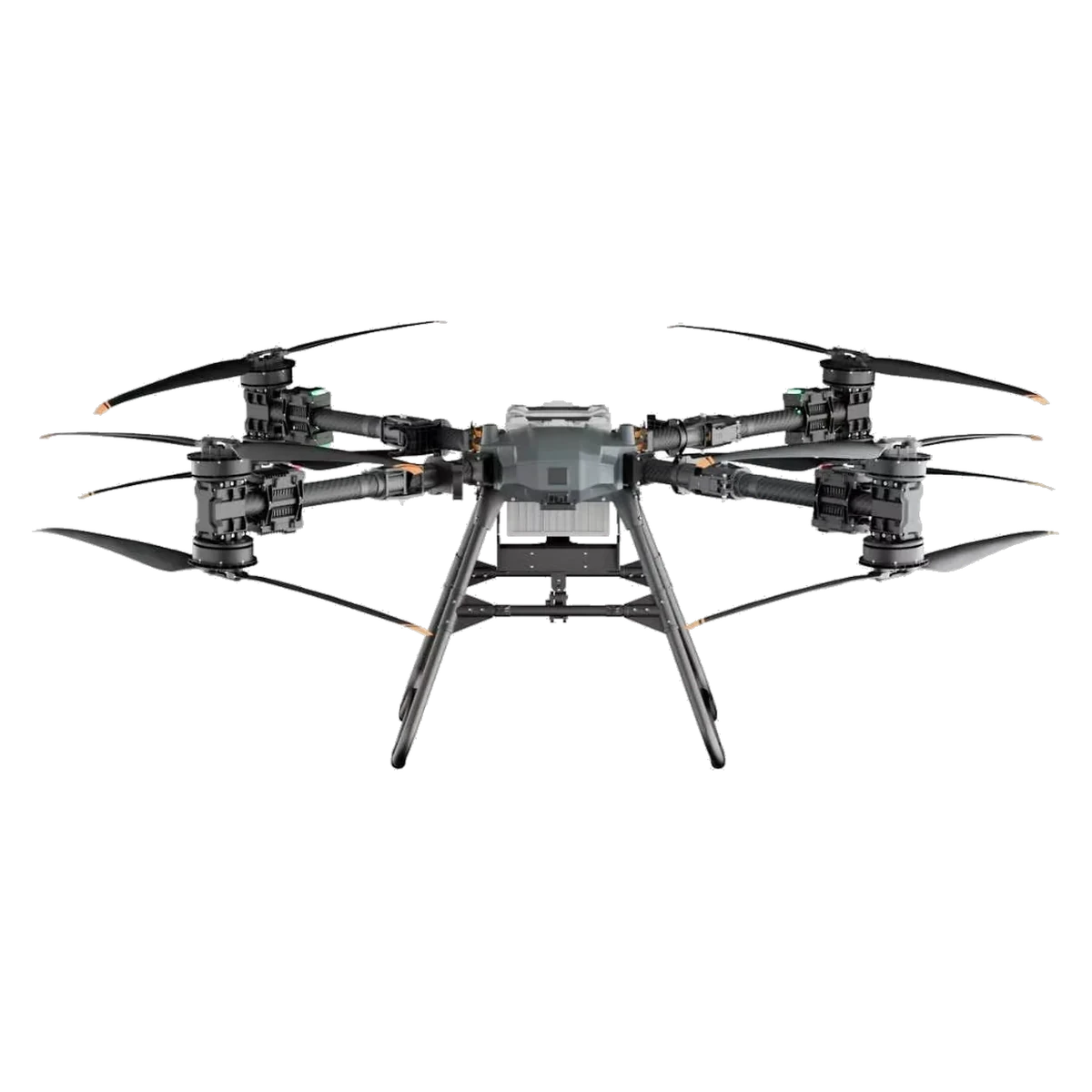
MT100 Heavy-Lift Quad-Rotor UAV
Four-axis, 100 kg payload multi-rotor platform for heavy-lift logistics, aerial delivery and industrial payload work. Payload capa
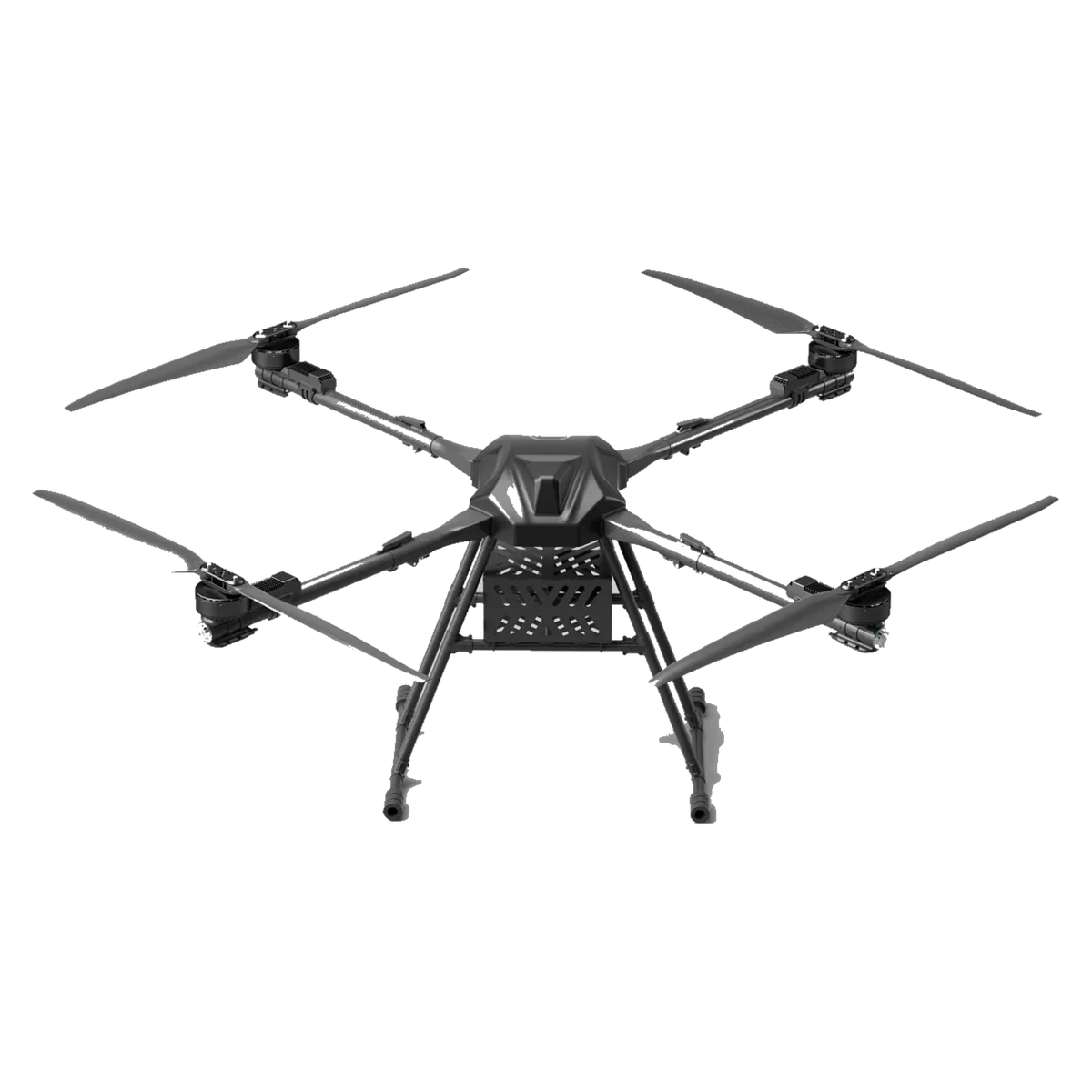
M50 Heavy-Lift Quad-Rotor UAV
Four-axis, 50 kg payload multi-rotor platform for heavy-lift logistics, aerial delivery and industrial payload work. Payload capac
Listings in this category show EXW tier pricing at 5, 20 and 50 units where available, with MOQ and packing details on each product page. Need a configuration that is not listed? Request a quotation — pricing is valid for 14 days and OEM configurations are available.
Frequently Asked Questions
How do I choose between a multi-rotor and a VTOL fixed-wing UAV?
Match the platform to endurance and area first, payload second. VTOL fixed-wing suits missions beyond roughly 60 minutes or 10 km²: the AT-G10 flies 4 hours at 4 kg payload. Multi-rotors win for hovering, precision work and short heavy lifts — the AT-ELF carries 800 g for 34 minutes.
Can the heavy-lift multi-rotors be used for aerial delivery?
Yes. The MT100 lifts 100 kg at a 200 kg maximum take-off weight with a 10 km control range and a 1500 m service ceiling; the M50 lifts 50 kg at 100 kg maximum take-off weight. Both ship with flight controller, power system, remote controller, camera and RTK.
I am not sure which component fits my build — can you help me choose?
Yes. Tell us your platform, all-up weight, voltage, required control range and operating environment, and we will point you to suitable options. As a rule of thumb: size the propulsion and battery pack around the all-up weight and your thrust-to-weight target first, then match the flight controller and video link to the required range and payload, and choose the ground control station last. If two people need to work at once — for example a pilot and a camera operator — a dual operator system lets one fly the aircraft while the other controls the gimbal over a single link.