UAV Security & Perimeter Surveillance
Perimeter work is repetitive and time-critical: the same route, night after night, with a requirement to identify what is there rather than merely see movement. Payload choice decides the outcome more than airframe choice.
Where the manual approach breaks down
- Guarding a perimeter means walking or driving the same route every night, and attention drops long before the shift ends.
- Floodlighting a fence shows anyone watching exactly where the blind spots are.
- Detecting movement is not the same as identifying a person, and that difference decides whether anyone gets dispatched.
- The airspace above the site is now part of the perimeter — a drone crossing it is a security event, not a curiosity.
How the unmanned workflow runs
-
Step 1
Fly the route on a repeatable track
A multi-rotor or VTOL aircraft flies the same perimeter on the same path every night, with position and time logged for each pass so coverage can be audited rather than assumed.
Multi-rotor UAVs → -
Step 2
Identify, do not merely detect
A stabilised EO/IR pod gives thermal detection after dark plus the optical zoom needed to say what was detected — without lighting the site and revealing the patrol.
Gimbals & Cameras → -
Step 3
Watch it live from the control room
Video and telemetry go to a fixed ground station over the data link, so the decision is made with the picture in front of someone, not from a written report the next morning.
Ground Control Stations → -
Step 4
Cover the airspace as well
Where drones are part of the threat model, detection and tracking equipment adds airspace awareness to the same operating picture.
Drone Detection & Tracking →
Applicable equipment
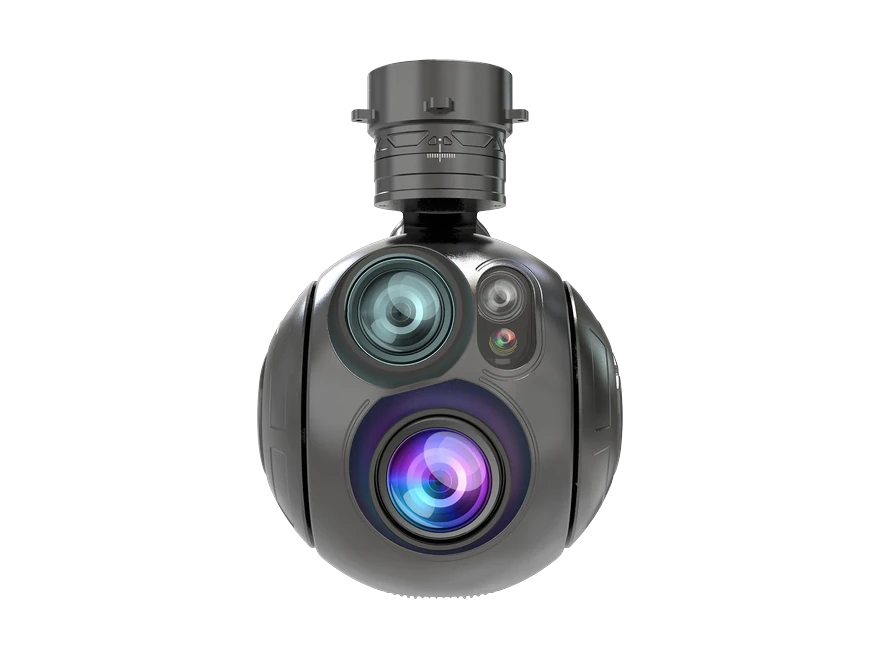
AT-135T Three-Axis Triple-Light Gimbal
Gimbals & Cameras
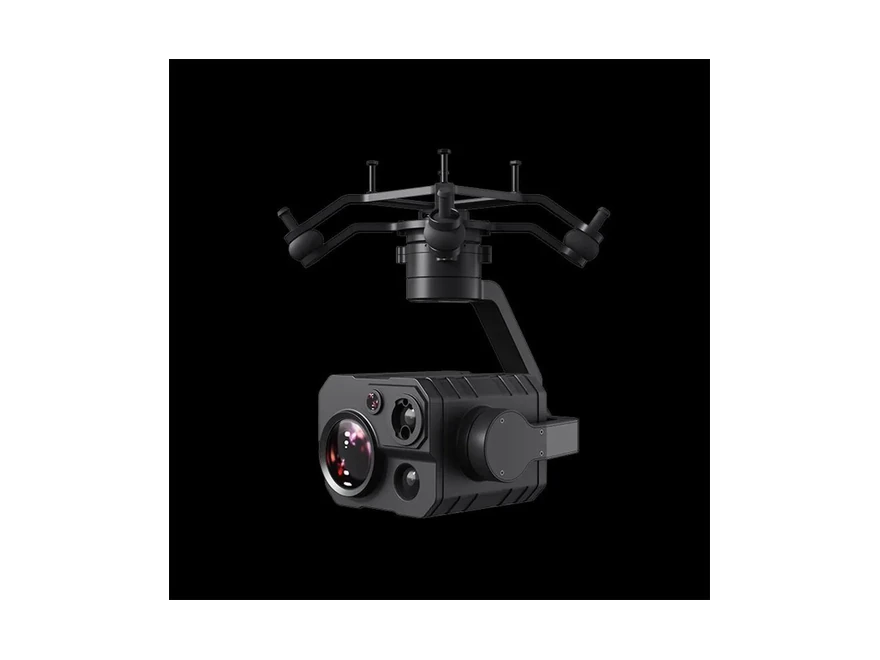
ZT30 Four-Sensor
Gimbals & Cameras
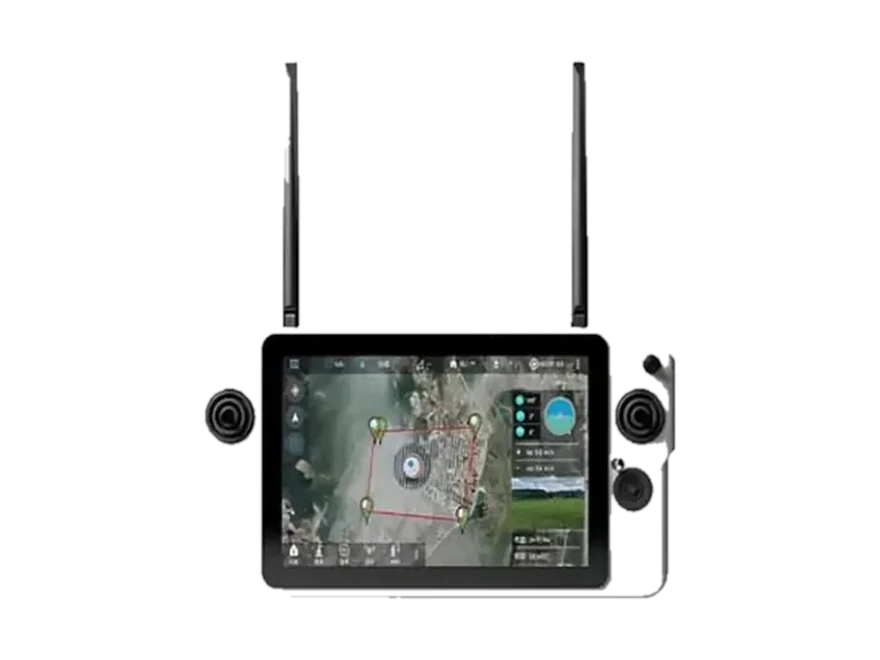
G30
Ground Control Stations
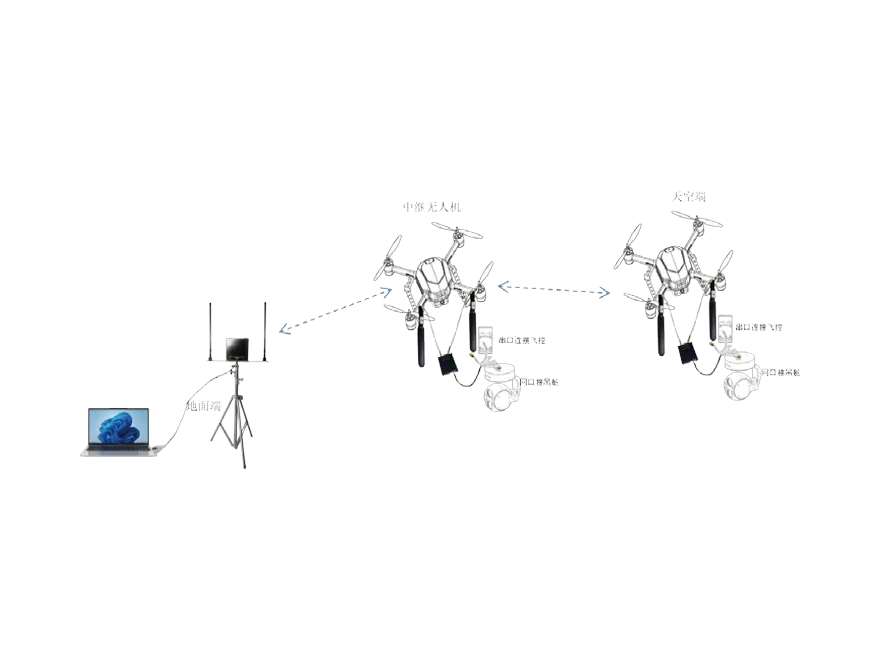
HK-T35 Anti-Interference Video & Data Link
Video & Data Links
Equipment categories used
Gimbals & Cameras · Video & Data Links · Ground Control Stations · Drone Detection & Tracking
Frequently Asked Questions
Can it work at night without lighting the site?
Yes — that is the main reason thermal is specified for perimeter work. An LWIR sensor works on temperature difference, so the patrol does not need floodlights and does not announce itself to anyone watching.
How far can a person actually be identified?
Identification distance comes from the optical zoom and the sensor, not from the aircraft's range. That is why the pod is chosen before the airframe on this kind of work.
Do you supply counter-drone equipment as well?
Detection and tracking equipment is available for sites where the airspace has to be monitored. It is specified separately from the patrol aircraft, against the size of the area and the warning time you need.
Send us the mission profile — area, distance, terrain and the deliverable you need — and we will come back with a configuration and a quotation.
Request a Quotation
Send the model and quantity — we reply with pricing, lead time and the specification sheet.