UAV Emergency Response & Search-and-Rescue Support
In an emergency the constraint is usually time and communications, not resolution. A VTOL aircraft covers ground fast and launches without a runway; a relay-capable link keeps the picture available to a command post.
Where the manual approach breaks down
- An incident rarely happens next to a runway, and the first hour is when information is scarcest.
- Smoke, dust and darkness degrade ordinary daylight cameras exactly when they are most needed.
- Radio coverage fails in the same places where people need help.
- A command post that cannot see the site cannot usefully direct the people on it.
How the unmanned workflow runs
-
Step 1
Launch from where the vehicles stop
A VTOL aircraft lifts from a road, a field or a yard, so the search area is reached without moving the aircraft to a prepared strip — which is usually the deciding factor in the first hour.
VTOL Fixed-Wing UAVs → -
Step 2
Find people with thermal
LWIR on a stabilised pod separates body heat from ground temperature in low light, in smoke and through light vegetation, at a zoom that shows what is actually there.
Gimbals & Cameras → -
Step 3
Keep the picture at the command post
The data link carries live video and telemetry to the ground station, and relay nodes restore coverage where terrain blocks the direct path.
Video & Data Links → -
Step 4
Carry what the team needs
Where the mission includes delivery, a heavy-lift airframe takes supplies to the point of need rather than to the nearest road.
VTOL Fixed-Wing UAVs →
Applicable equipment
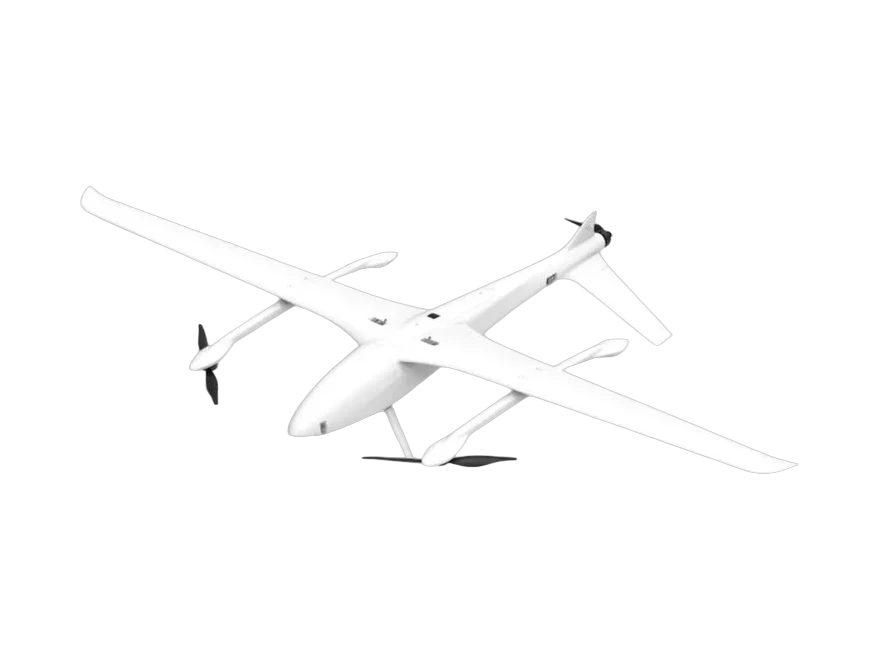
AT-G10 Electric VTOL Fixed-Wing UAV
VTOL Fixed-Wing UAVs
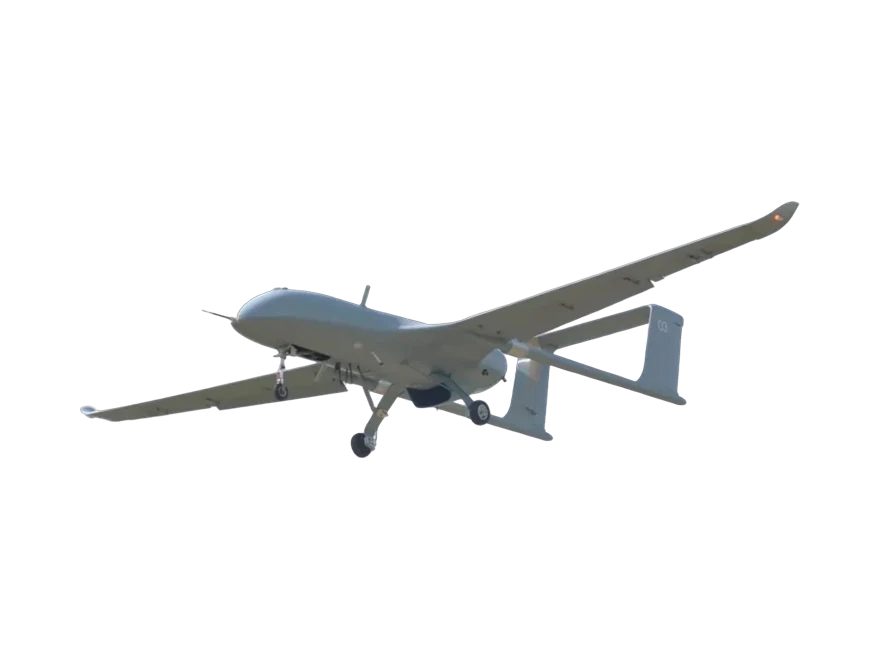
AT-G190 Heavy-Lift Hybrid VTOL Fixed-Wing UAV
VTOL Fixed-Wing UAVs
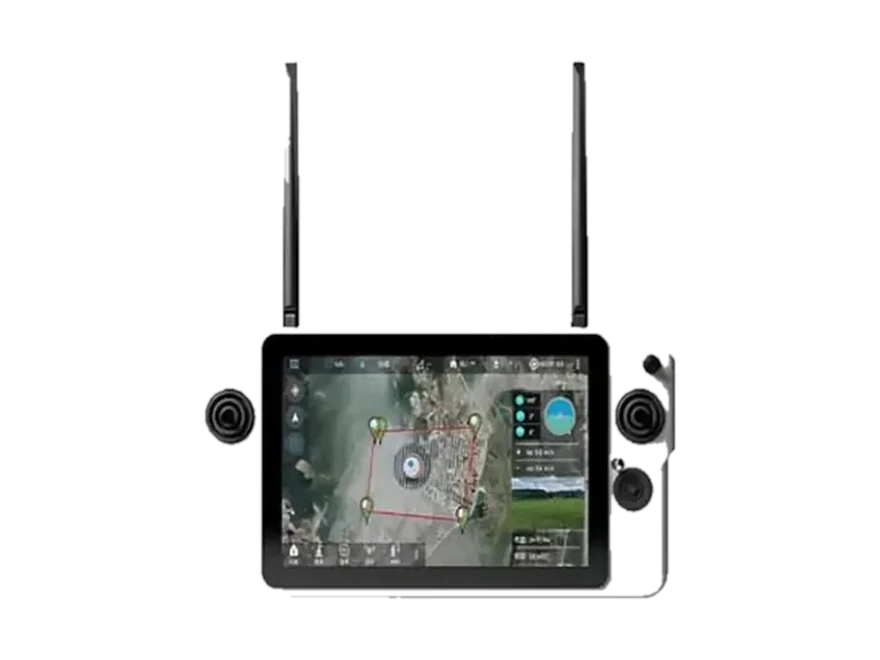
G30
Ground Control Stations
Equipment categories used
VTOL Fixed-Wing UAVs · Multi-rotor UAVs · Ground Control Stations · Video & Data Links
Frequently Asked Questions
How much space is needed to launch?
A VTOL aircraft needs a clear area for vertical take-off and landing rather than a runway. In practice that is a road, a field or a yard at the point the vehicles can reach.
Can it find people in smoke or at night?
Thermal imaging is specified for exactly that case: an LWIR sensor works on temperature difference, so low light and smoke reduce it far less than they reduce a daylight camera.
Can the same aircraft deliver supplies?
A heavy-lift airframe can, but it is a different configuration and usually a different aircraft: endurance and payload trade against each other, so the search aircraft and the delivery aircraft are specified separately.
Send us the mission profile — area, distance, terrain and the deliverable you need — and we will come back with a configuration and a quotation.
Request a Quotation
Send the model and quantity — we reply with pricing, lead time and the specification sheet.