Long-Range Relay & Unmanned Communications Links
Range in a datasheet is a laboratory number. Operational range is the shorter of the link and the endurance, and in terrain it is usually the link that gives way first — which is why relay nodes matter more than watts.
Where the manual approach breaks down
- Datasheet range is a laboratory number measured over clear line of sight; operational range is the shorter of the link and the aircraft's endurance.
- In terrain it is almost always the link that gives way first, not the airframe.
- At sea there are no relay points to use, and in mountains the useful ones are hard to reach.
- Frequency regulation differs by country, so a link that works at home may not be legal at the destination.
How the unmanned workflow runs
-
Step 1
Start with a link that senses its own spectrum
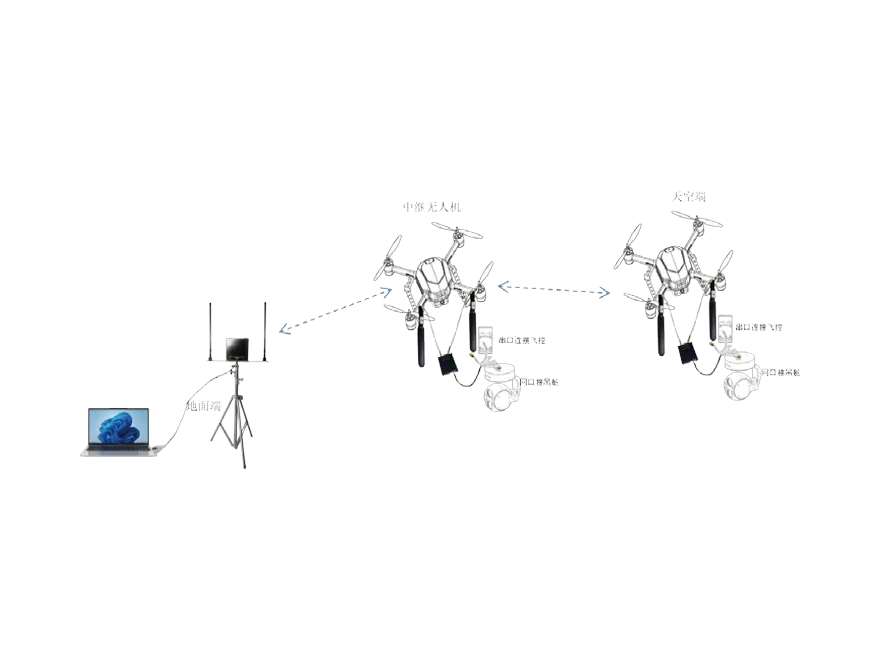
A 1.4 GHz link with real-time spectrum sensing and dynamic frequency hopping holds where a fixed-channel link would drop out — and shows what the band actually looks like before you commit.
Video & Data Links → -
Step 2
Add nodes instead of power
Multi-node networking places a relay where the line of sight fails: a ridge, a mast or a vessel. It is usually cheaper and quieter than raising transmitter power.
Video & Data Links → -
Step 3
Put the operator where the decision is
Ground control stations run at the launch point or in the command post, so one link serves both the crew and the people who need the picture.
Ground Control Stations → -
Step 4
Match the band to the destination country
Custom frequency bands are supported, so the system is configured to local regulation instead of being used as shipped.
Video & Data Links →
Applicable equipment
HK-T35 Anti-Interference Video & Data Link
Video & Data Links
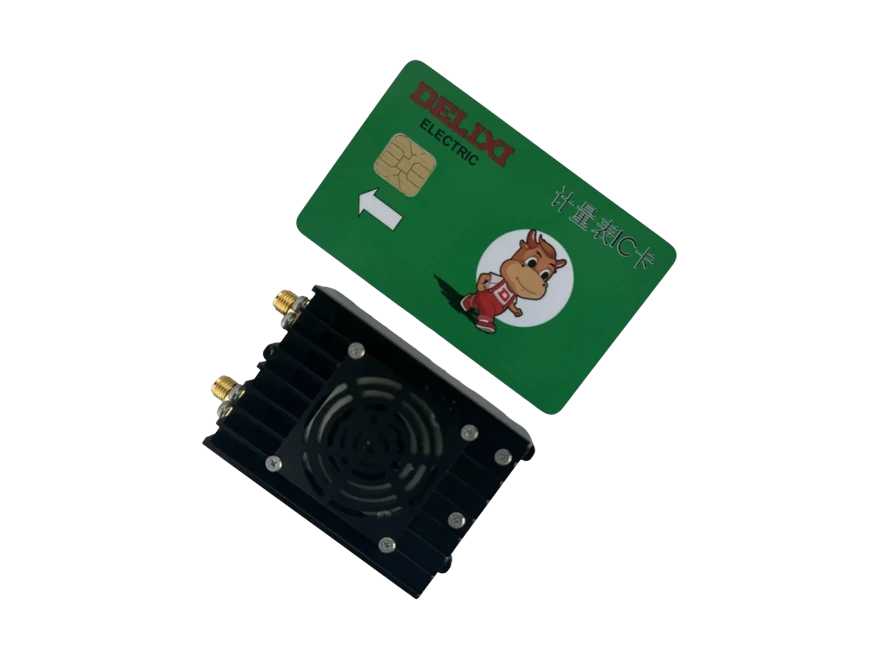
HK-M27 MESH Video & Data Link
Video & Data Links
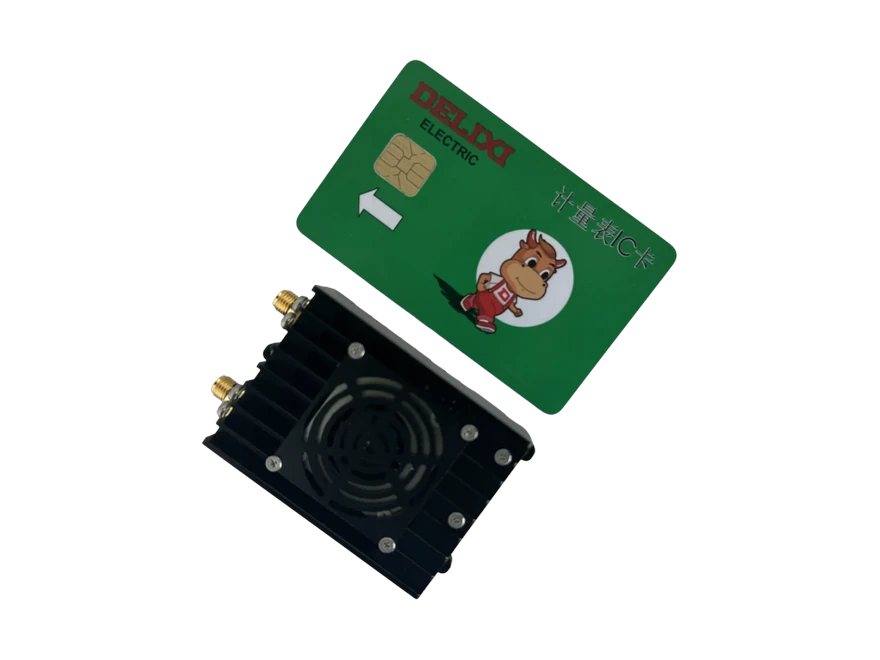
HK-S27 Long-Range Data Link
Video & Data Links
Equipment categories used
Frequently Asked Questions
What range can we actually expect?
The usable range is the shorter of the link's capability and the aircraft's endurance, and in terrain it is set by the line of sight to the relay rather than by the transmitter's rating. That is why relay nodes are specified together with the link, not after it.
How are frequency regulations handled?
Custom frequency bands are supported, so equipment is configured to the band allowed in the country of operation rather than used as shipped. Requirements differ between countries, and the configuration should be confirmed before delivery.
Can one link serve UAV, USV, UGV and other platforms?
Yes. The same link family covers UAV, USV, UGV, maritime and robot-dog platforms plus ground-vehicle telemetry, which is why a common link is often a better answer than several different ones.
Send us the mission profile — area, distance, terrain and the deliverable you need — and we will come back with a configuration and a quotation.
Request a Quotation
Send the model and quantity — we reply with pricing, lead time and the specification sheet.