Bezzałogowe pojazdy naziemne — Wysyłka na cały świat z Hongkongu
Platformy multirotor do prac krótkiego zasięgu — zawis inspekcyjny, dostawy powietrzne i mapowanie małych obszarów tam, gdzie skrzydło stałe jest niepraktyczne.
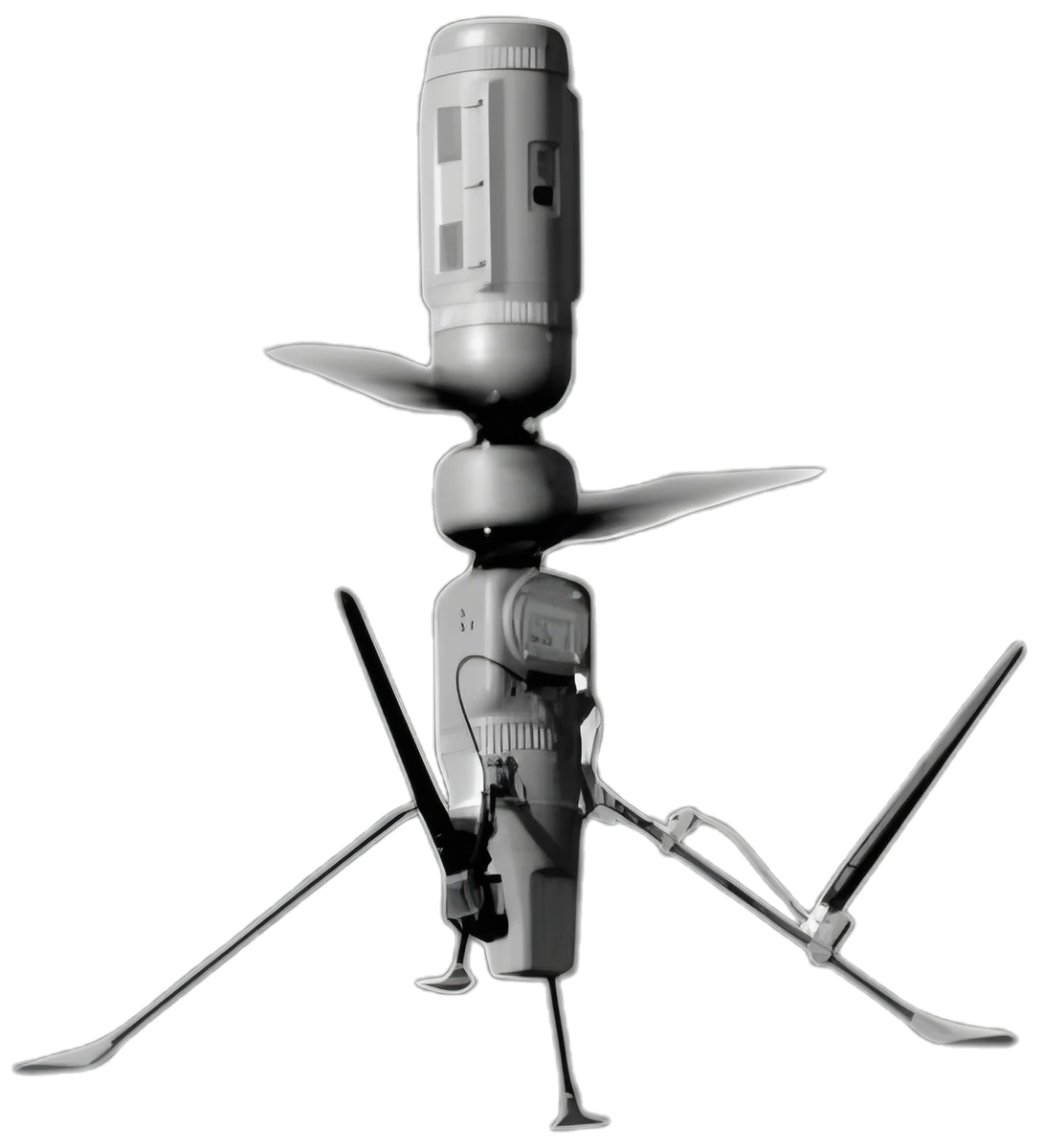
AT-ELF Portable Multi-rotor Drone
Cylindryczny multirotor z napędem bezpośrednim, stosunkiem ładunku 1:1 i bardzo niską sygnaturą akustyczną — obroty wirników to ty
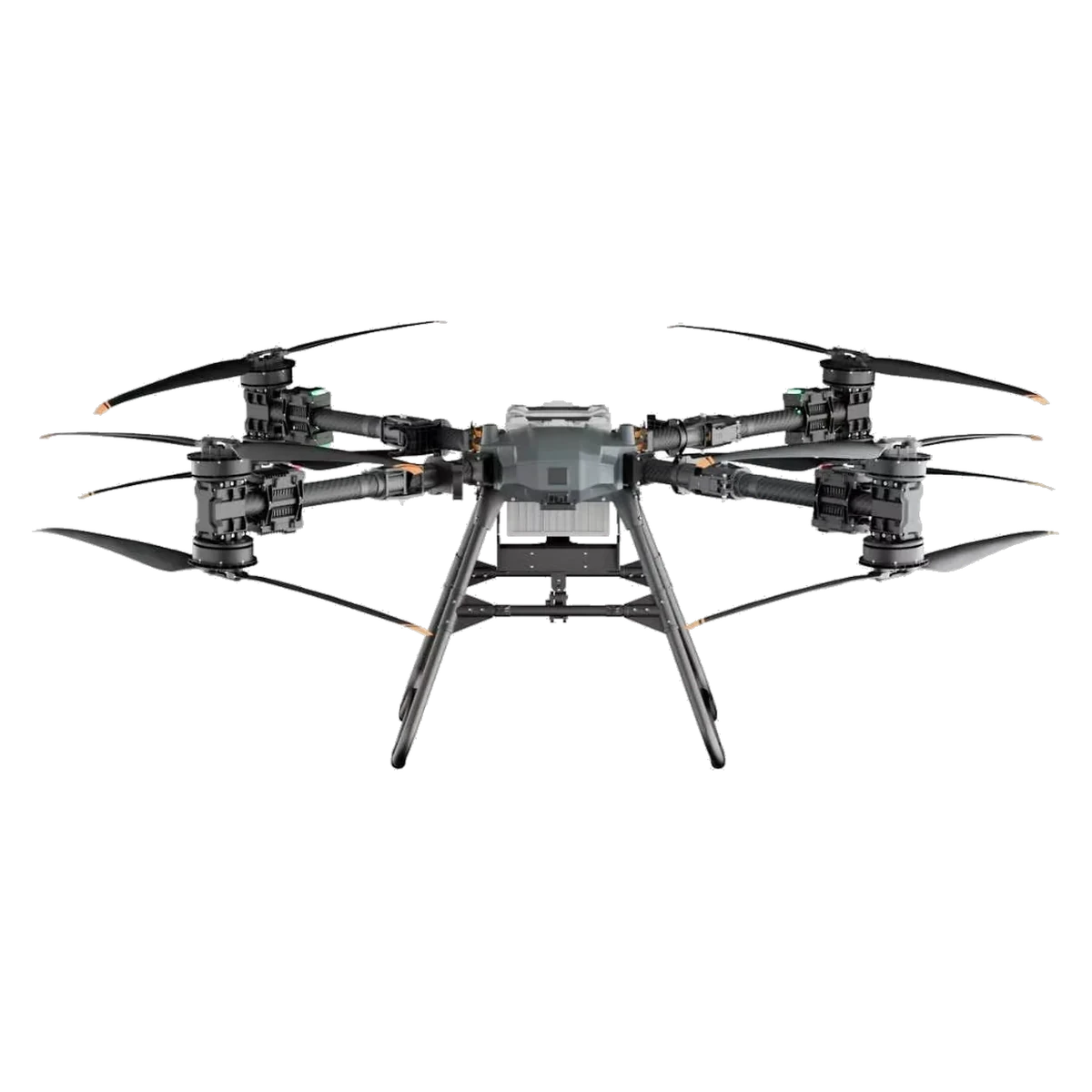
MT100 Heavy-Lift Quad-Rotor UAV
Czteroosiowa platforma multirotor o ładowności 100 kg do logistyki ciężkiej, dostaw powietrznych i prac przemysłowych. ładowność 1
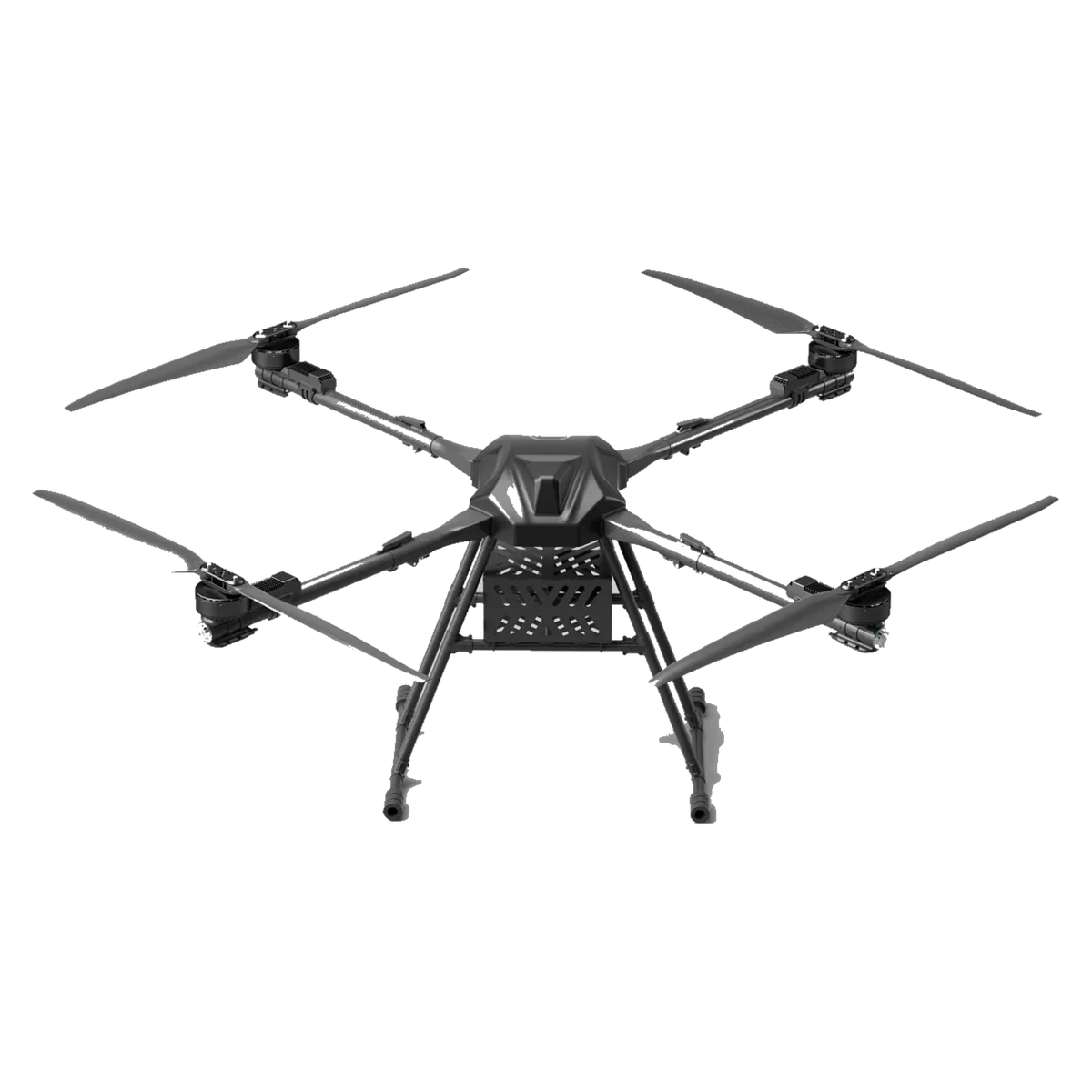
M50 Heavy-Lift Quad-Rotor UAV
Czteroosiowa platforma multirotor o ładowności 50 kg do logistyki ciężkiej, dostaw powietrznych i prac przemysłowych. ładowność 50
Produkty w tej kategorii pokazują ceny progowe EXW dla 5, 20 i 50 sztuk tam, gdzie dostępne, z MOQ i detalami pakowania na stronie każdego produktu. Potrzebujesz konfiguracji spoza listy? Poproś o wycenę — ceny ważne 14 dni, dostępne konfiguracje OEM.
Częste pytania
How do I choose between a multi-rotor and a VTOL fixed-wing UAV?
Match the platform to endurance and area first, payload second. VTOL fixed-wing suits missions beyond roughly 60 minutes or 10 km²: the AT-G10 flies 4 hours at 4 kg payload. Multi-rotors win for hovering, precision work and short heavy lifts — the AT-ELF carries 800 g for 34 minutes.
Can the heavy-lift multi-rotors be used for aerial delivery?
Yes. The MT100 lifts 100 kg at a 200 kg maximum take-off weight with a 10 km control range and a 1500 m service ceiling; the M50 lifts 50 kg at 100 kg maximum take-off weight. Both ship with flight controller, power system, remote controller, camera and RTK.
I am not sure which component fits my build — can you help me choose?
Yes. Tell us your platform, all-up weight, voltage, required control range and operating environment, and we will point you to suitable options. As a rule of thumb: size the propulsion and battery pack around the all-up weight and your thrust-to-weight target first, then match the flight controller and video link to the required range and payload, and choose the ground control station last. If two people need to work at once — for example a pilot and a camera operator — a dual operator system lets one fly the aircraft while the other controls the gimbal over a single link.